
8M: Voices from the movement
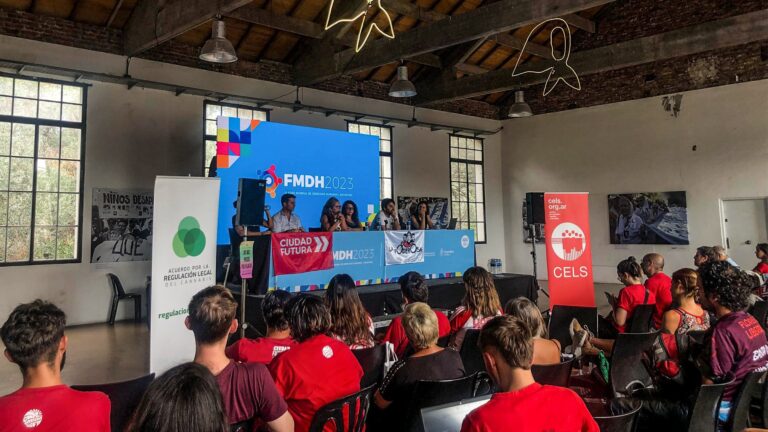
These statements come from a virtual transnational debate on the feminist strike organized on February 8, 2023 by the Rosa Luxemburg Stiftung. This meeting was…
This material was produced in workshops among domestic workers and feminists from Argentina, Chile, Paraguay, Honduras, Mexico, Spain and Germany to raise their demands for March 8. Domestic workers, who are protagonists of care every day, will also be protagonists of the struggles on 8M.
En estos videos sintetizamos las intervenciones de compañeras feministas organizadas de Argentina, Chile, Estado Español, Italia y Alemania en un encuentro virtual donde participaron más de 60 integrantes de organizaciones de diferentes países y regiones.
Este material fue realizado a partir de talleres entre trabajadoras del hogar y feministas de Argentina, Chile, Paraguay, Honduras, México, España y Alemania para plantear sus demandas para el 8 de marzo.
Presentamos este hermoso audiocuento pensado para les más chiquites.
Compartimos este material como una propuesta pedagógica que acompaña el video animación Transition 2.0.
Por qué el movimiento municipalista tiene que ser internacionalista
Un primer intento para entender la “Alianza Sahra Wagenknecht” dentro del sistema de partidos alemán AUTORES Carsten Braband, Mario Candeias Pie de foto: Cartel con…
Esta animación de OPSur y VacaBonsai explica, tomando los roles de un videojuego, la complejidad de un proceso de transición energética.
The precarious personalized paid domestic work relation can be transformed through municipalization. Going beyond the current legal framework, formalization of domestic work is only possible if the state authority situates itself as the principal employer. Municipalization of domestic work will make it a public good and constitute domestic workers as public employees. This stands to benefit not only domestic workers, but the larger community of households. The cost of the municipalization of domestic work would be collectively borne through municipal taxes. The present context is apt for such interventions given emerging trends of re-municipalization of certain services and public utilities in recent years in some European countries and parts of Latin America. In countries where municipalities are rendering services and utilities to large impoverished sections of society, domestic work can be added on as municipal service.